
Consultation & Mentorship

Helpers need help too…
You wouldn’t be doing this kind of work if you didn’t have a big heart and desire to relieve others’ suffering and yet this gift of compassion and empathy can lead to vicarious trauma and burnout if your own system is not getting the support it needs. You spend all day witnessing clients in their darkest moments, appearing calm and composed on the outside (on a good day) while on the inside you are having all kinds of emotional reactions. Then when you leave work and someone asks, “How was your day?” you’re bound by confidentiality and can’t actually talk about any of it. Part of you wonders, “Am I doing enough? Am I cut out for this?” Let’s face it, being a trauma therapist can be lonely. I get it. I’ve been there. And I can help.
Areas of Experience beyond the basics
Attachment trauma & emotional neglect
Borderline personality disorder
Childhood sexual abuse and incest
Chronic suicidality and self-harm
Complex PTSD
Dissociative disorders
Eating disorders
ESP and psychic phenomena
Inherited and acquired neurodivergence
Unattached burdens (UBs) and spirit guides

Case Consultation & Mentorship
I offer consultation for mental health professionals in the trauma field who are looking for support with challenging cases or issues in areas that I have specialized training and clinical experience in. This is different from clinical supervision and consultation hours do not count towards any requirements for licensure or certification.
My Approach
My approach is rooted in the IFS model and focuses on helping the clinician explore their own reactions to their clients so they can access more Self energy (e.g. Courage, Curiosity, Compassion, Calm, Presence, Playfulness, Patience, etc.) and be more Self-led in their work with clients. Therapists don’t need to be familiar with IFS or use it in their practice to benefit from my approach. I also offer education, practical tools, clinical guidance, and additional resources as appropriate for the case being discussed.
my “Why”
One version of my story is that I became an eating disorder and trauma therapist “by accident.” When I got out of graduate school I had no idea what population I wanted to work with and took the first art therapy job I could find which happened to be working with eating disorders. Eating disorders led me to complex trauma and complex trauma led me into some pretty fringe and taboo areas. The other version I could tell is that it wasn’t random, it was my own neuro-spicy need/affinity for complexity and intensity led me into these areas and client populations for which it was hard to find helpful information or adequate consultation and mentorship. While I love a challenge I also felt alone a lot of the time and yearned for colleagues were ahead of me on the path and who could support my growth and reassure me that I wasn’t in over my head. This offering comes from my desire to offer the kind of support and guidance that I needed but struggled to find.

The relationship is the healing agent.
Healing attachment and betrayal trauma can only happen in the context of relationship. What matters more than your trainings and certifications is your ability to remain open-hearted and Self-led (a.k.a. in a ventral vagal state) so your client can co-regulate and build secure attachment. This is no easy task. Your unresolved sh*t will get triggered. This doesn’t mean you aren’t cut out for the job—it means you’re human, and also part of the job is doing your own inner work.

Clients as tor-mentors.
In IFS terms, a tor-mentor is someone who torments us and in doing so shows us where we still need to heal. What if you could feel grateful to your most challenging clients for activating feelings of apathy, despair, disgust, helplessness, and hopelessness? What if you viewed these clients as wise mentors who are graciously inviting you to your growth edge—that dynamic space between where you are comfortable as a therapist and your next level of potential? Can you model for your clients what it looks like to lean into discomfort in service of growth?
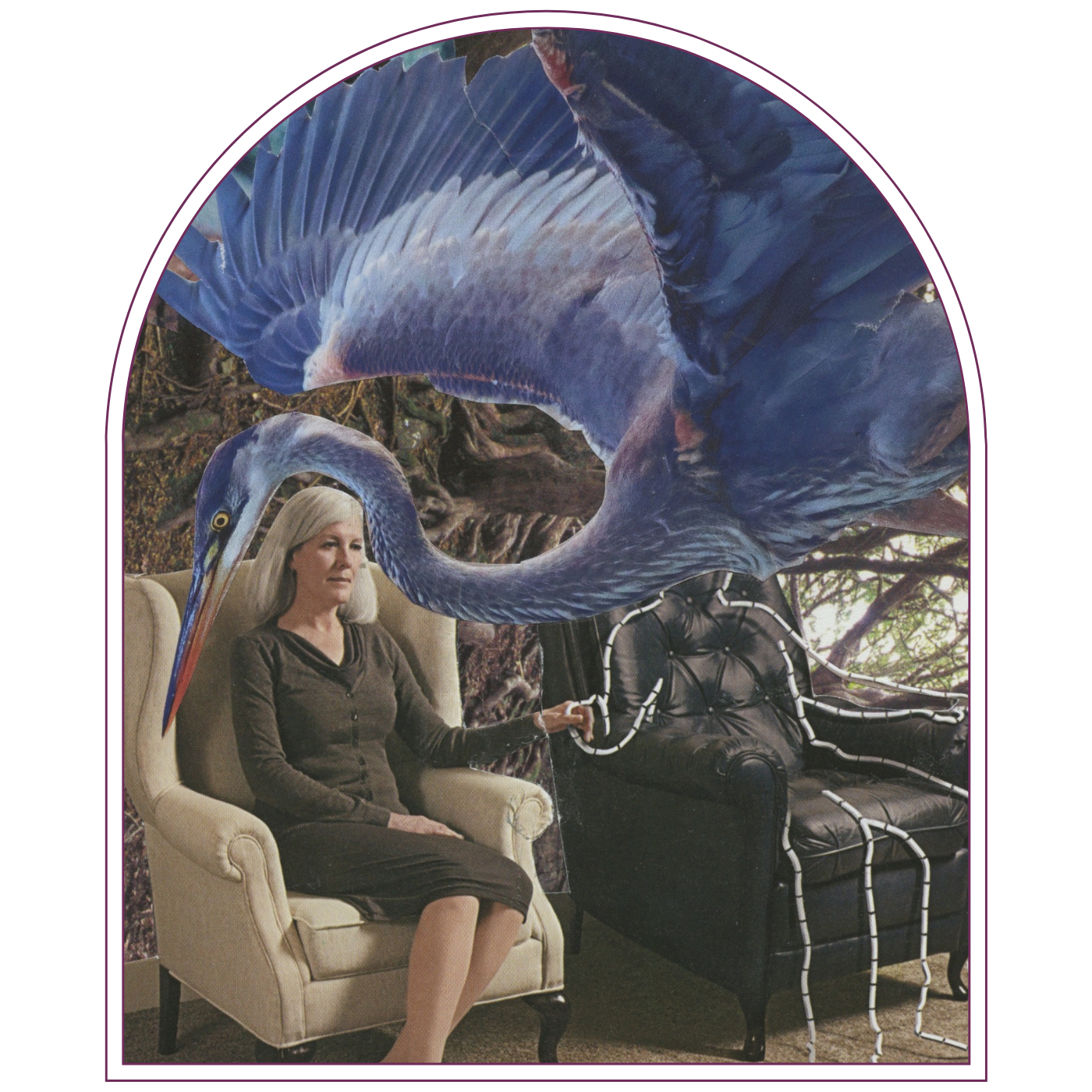
True wisdom is knowing you don’t know.
It is paradoxical truth—letting go of the belief that you are the expert will make you a better therapist. You don’t have to have it all figured out or know what to do next. Balancing what you already know with on-going curiosity, collaborative exploration, and emergent learning will yield better results that holding tight to preconceived ideas. Stay curious not only about your clients but about yourself—what are you afraid will happen if you don’t know something?
Trauma-related training and learning
Related Certifications
Certified EMDR therapist
Certified IFS therapist
Certified Eating Disorder Specialist (CEDS), I let my certification lapse in 2024 when I transitioned to coaching
Related training
EMDR Basic Training, EMDR Institute
IFS Training Levels 1 and 2, IFS Institute
Instinctual Trauma Response (ITR) Levels 1, 2 and 3, ITR Training Institute
Safe and Sound Protocol (SSP) Training, Unyte Academy
Healing Trauma with Guided Drawing®, Institute for Sensorimotor Art Therapy
The Others Within Us: Unattached Burdens and Guides in IFS Therapy, with Robert Falconer
Self-study through books
“EMDR and Dissociation: The Progressive Approach” by Anabel Gonzalez and Dolores Mosquera
“Healing the Fragmented Selves of Trauma Survivors: Overcoming Internal Self-Alienation” by Janina Fisher
“Transcending Trauma: Healing Complex PTSD with Internal Family Systems” by Frank Anderson
“Trauma and the Therapist: Countertransference and Vicarious Traumatization in Psychotherapy with Incest Survivors” by Laurie Anne Pearlman and Karen W. Saakvitne
“Trauma-Informed Approaches to Eating Disorders” Edited by Andrew Seubert and Pam Virdi
“Treating Trauma-Related Dissociation: A Practical Integrative Approach” by Kathy Steele, Onno van der Hart, and Suzette Boon
“The Others Within Us: Internal Family Systems, Porous Mind, and Spirit Possession” by Robert Falconer
INVESTMENT OPTIONS
SINGLE SESSION
$175
One 60-minute session.
3 Session Package
$450
Three 60-minute sessions spaced out however you want.
Monthly subscription
$150/month
One 60-minute session per month. Billed monthly until cancelled.